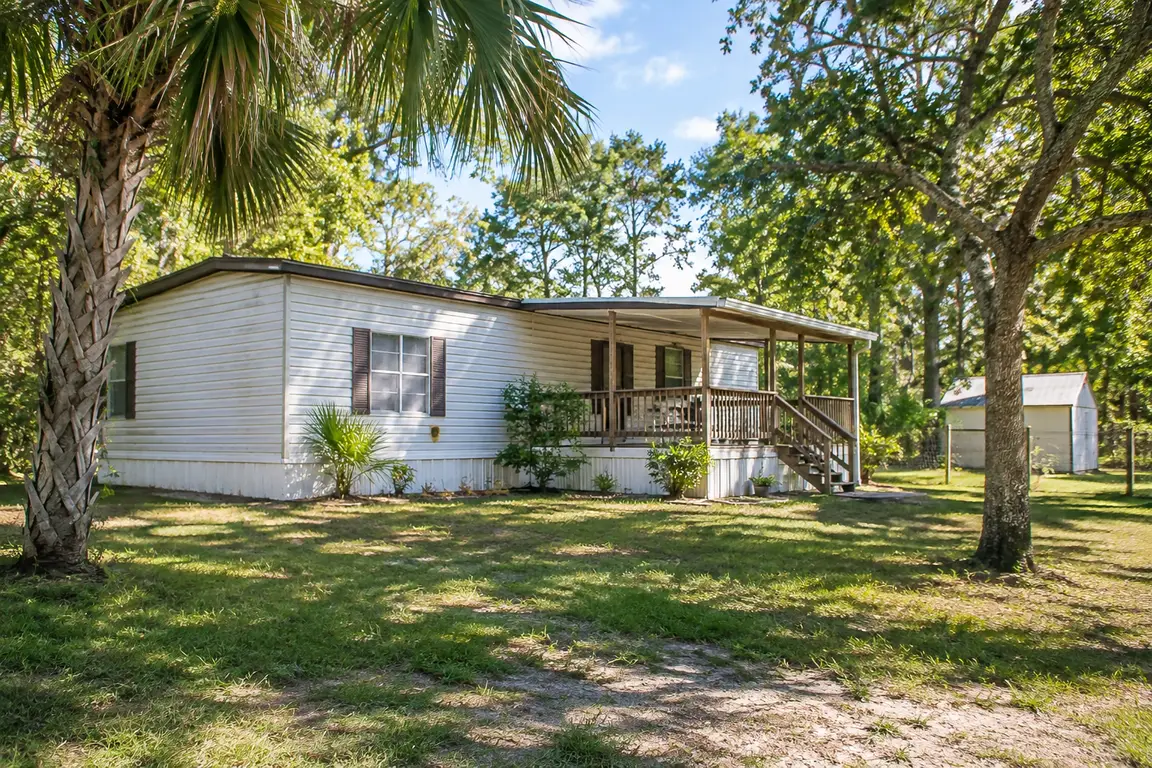
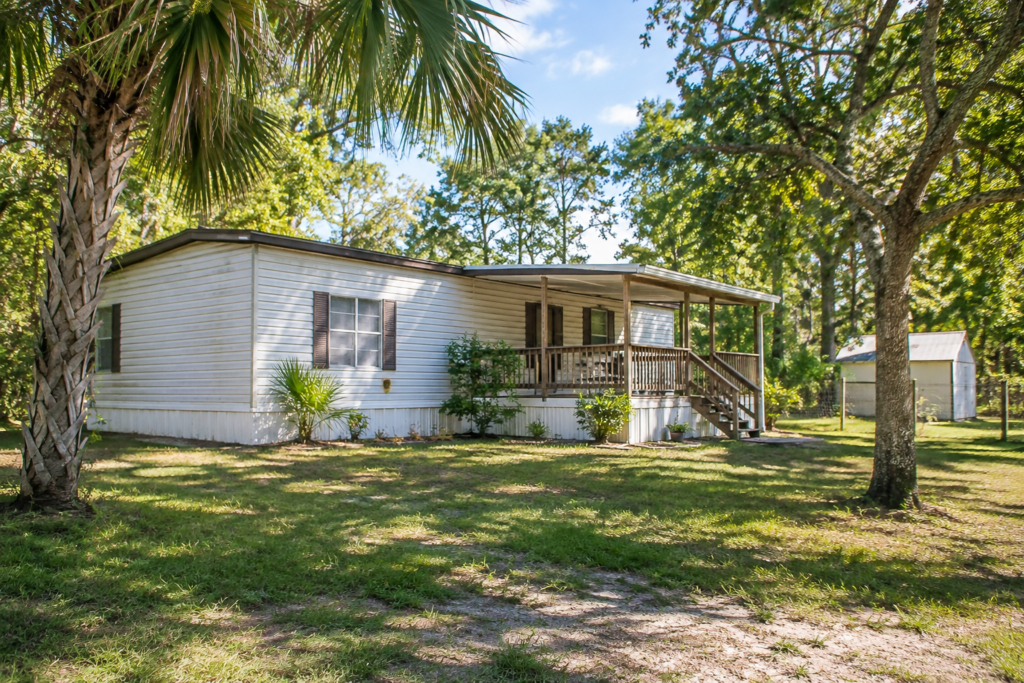
If you own a mobile home that sits on its own piece of land in Florida, selling it is not quite like selling a regular house and not quite like selling a car. It sits somewhere in between. Whether the home and land can be sold together, what paperwork you need and who will actually buy it all depend on one thing a lot of owners have never checked: how the home is titled.
This guide covers what to look at before you sell, the most common snags we see, and the realistic paths to a sale. It works whether you’ve lived in the home for years, inherited it from a parent or haven’t set foot on the property in a long time.
Mobile Home With Land vs. Without Land
It helps to start with what you actually own.
A mobile home on land you also own. You hold the land by deed and the home is on it, usually tied down and hooked up to well, septic or utilities. This is the situation this article is mostly about. Done right, the home and land sell together as one piece of real estate.
A mobile home on land you don’t own. This usually means a lot you rent in a mobile home park or on someone else’s property. In that case you’re selling only the home, which is personal property with its own title, much like a vehicle. If it’s in a park, the park will usually need to approve the buyer before they can stay. Many park residents run into trouble here because the buyer pool is small and financing for a home without land is hard to get.
If you own the land, you’re already in a stronger position. Land-and-home packages appeal to more buyers, and the land often holds value even when the home itself has seen better days.
Why the Title Matters So Much
In Florida, every mobile home starts out with a certificate of title from the Department of Highway Safety and Motor Vehicles (FLHSMV), one for each section of the home. A double-wide has two titles. From there, a home sitting on land owned by the same person usually ends up in one of three situations.
1. The home still has a regular mobile home title and decal
The home is titled and registered like a vehicle, and the owner renews a mobile home decal. This is common when a home was moved onto the land and nobody updated the paperwork. You can still sell the land and home together, but the title has to be signed over in addition to the deed. Every title has to be found and in the right person’s name.
2. The home has an RP (real property) decal
When a mobile home is permanently affixed to land owned by the same owner, it can be treated as real property for tax purposes. The owner gets a permanent “RP” decal, and the home is taxed along with the land on the property tax bill. When the land and home are sold together, the RP decal goes with the sale. But the title certificate generally still exists and still has to be transferred.
3. The title has been retired
Florida law (Section 319.261, Florida Statutes) lets an owner permanently retire the title on a mobile home that’s affixed to land they own. The owner records the original title, the legal description of the land and a sworn statement with the county clerk, then applies to FLHSMV (Form HSMV 82109) to retire the title. After that, the home is part of the land. It transfers by deed, just like a site-built house, and there’s no separate title to chase down.
A retired title usually makes for the cleanest sale. Buyers, title companies and lenders all prefer it because there’s only one set of ownership records to review.
How to find out which situation you’re in: Check your county property appraiser’s website and see whether the mobile home appears as an improvement on the parcel. Look at the decal on the home. A black background typically means RP. Then look at your property tax bill. If you’re still unsure, the county tax collector’s office can look up the title by VIN.
Common Snags When Selling a Mobile Home and Land
Most of the problems we see aren’t dramatic. They’re paperwork gaps that have quietly built up over the years.
Missing titles. The original title got lost in a move, a storm or a parent’s file cabinet. A duplicate can usually be ordered through the tax collector, but only by the owner of record, and that leads to the next issue.
The title is in someone else’s name. Maybe the home was bought from a prior owner and the title was never transferred. Or the land was deeded to the kids, but the home’s title still lists a parent who has passed away. Each name on the title (or the estate’s representative) needs to sign or be accounted for.
Old liens on the title. A loan from 20 years ago may still show as an open lien even though it was paid off. You’ll need a lien satisfaction from the lender, or proof that the lender no longer exists.
Inherited property. If the owner has died, the land usually needs to go through probate or another legal transfer, and the mobile home title has to follow the same path. This is one of the most common reasons land-and-home sales stall. Gathering the death certificate, the will (if there is one) and the probate paperwork early saves a lot of time.
Older homes. Homes built before June 15, 1976, when the federal HUD code took effect, are hard for most buyers to finance and insure. An older home doesn’t make the property unsellable. It just narrows who will buy it and how. In many cases, the land is what a buyer is really paying for.
Condition and code issues. Roof leaks, soft floors, missing tie-downs, an old septic system or county code violations can all affect the price. You don’t have to fix them to sell, but you do need to be upfront about what you know.
What to Gather Before You Sell
You’ll move faster, and get firmer offers, if you pull these together up front:
- The deed to the land and the parcel ID number
- Every mobile home title (one per section), or the VIN numbers if a title is missing
- Your most recent property tax bill and decal information
- Any lien payoff or satisfaction letters
- Probate or estate paperwork, if the owner has passed away
- Basic details about the well, septic, power and road access
Our guide to the documents needed to sell vacant land in Florida covers the land side in more detail.
Your Options for Selling
List with an agent
If the home is in good condition, the title is retired or easy to transfer, and the property is in a desirable area, listing can bring a strong price. Expect commissions, showings, inspection negotiations and a buyer who may need financing. That can be a problem with older homes or properties that don’t meet lender standards.
Sell it yourself
Selling by owner saves the commission, but you’ll handle the marketing, screen buyers, sort out the title paperwork and coordinate closing yourself. It works best when the paperwork is already clean and you have time to wait.
Sell to a direct cash buyer
A direct buyer like FL Land Buyer purchases the land and home as-is. We work through title and probate issues with a title company, so you don’t have to fix the home, clean it out or wait for a buyer’s loan to be approved. You give up some of the top-dollar potential of a perfect retail sale. In return, you get speed, certainty and much less hassle. That’s often the right trade for inherited property, out-of-state owners and homes that need work.
Every situation is different, so take a few minutes to compare your options for selling land in Florida before you decide.
How a Cash Sale Works With Us
When you reach out, we’ll ask where the property is and what you know about the home and the paperwork. Don’t worry if you don’t have all the answers yet. We research the parcel, look at the title situation and make a no-obligation cash offer. If you accept, we open title with a local title company. They help untangle any title, lien or probate issues, and you pick the closing date. You can read more about our selling process and browse answers to common questions in our FAQ.
If you’re selling only the home and not the land, see our page on how we buy mobile homes in Florida.
Frequently Asked Questions
Do I have to retire the title before I sell? No. Retiring the title is optional, and many land-and-home properties sell with the title still active. It just means the title gets transferred alongside the deed. A title company can tell you which route is simplest for your sale.
Can I sell if I can’t find the mobile home title? Usually, yes. The owner of record can apply for a duplicate through the county tax collector. If the owner has passed away, the estate’s representative typically handles it during probate.
Is the home or the land worth more? It depends. For newer, well-kept homes, the home adds real value. For older or damaged homes, buyers often price the deal mostly on the land, and removing the home can even be a cost they have to factor in.
Will I pay sales tax when I sell? Generally not when the land and home are sold together as one property. A closing agent or tax professional can confirm for your situation.
Ready to Sell Your Mobile Home and Land?
If you own a mobile home on land in Florida and you’re tired of the taxes, the upkeep or the paperwork puzzle, we’d be glad to help. We buy land-and-home properties as-is across Florida, including inherited ones and those with title issues. There are no commissions and no obligation. Get a no-obligation cash offer today, or call us at (239) 399-5800 to talk through your situation.