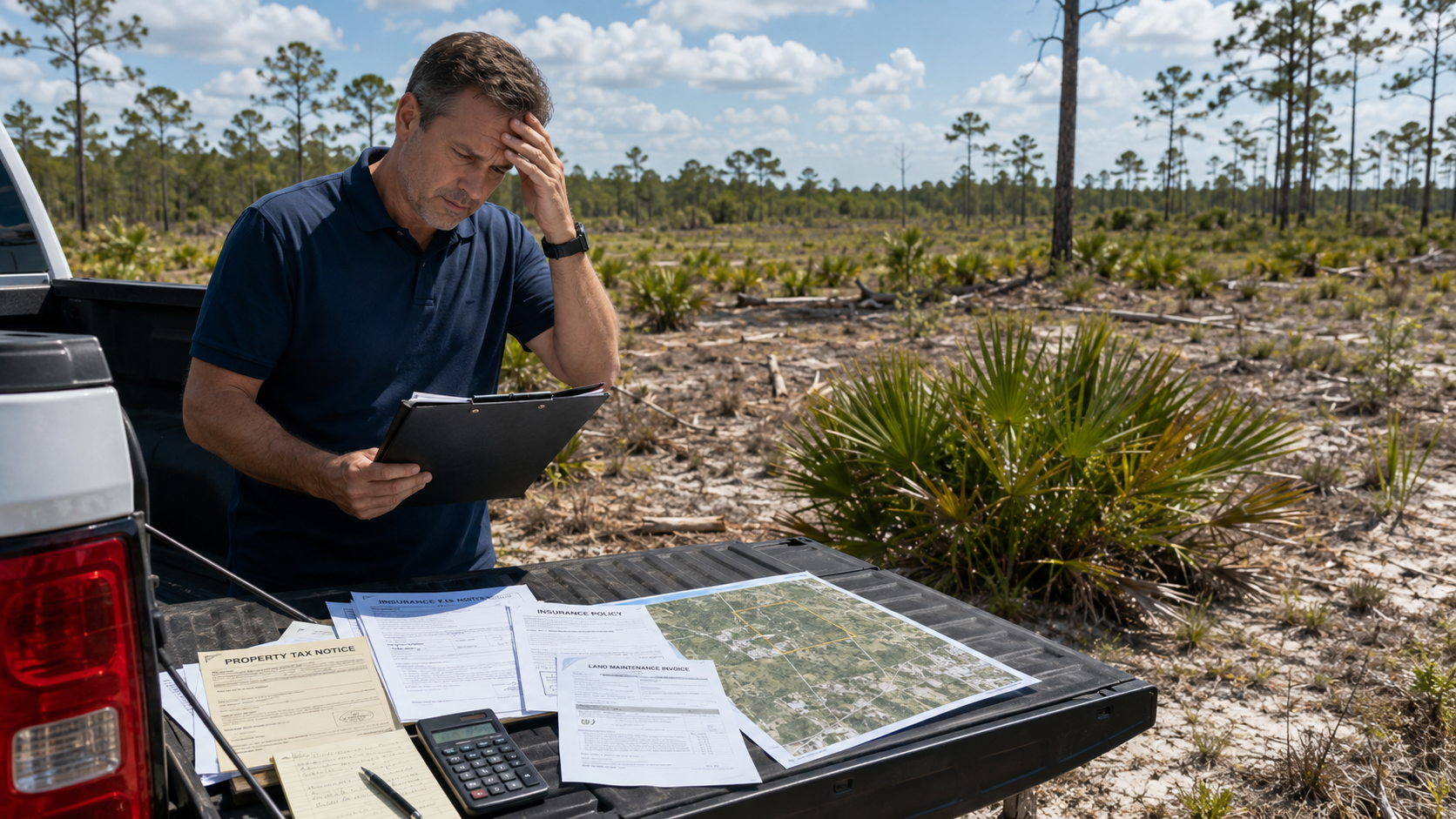
Owning vacant land in Florida might seem like a hassle-free investment at first glance. After all, there’s no property to maintain or tenants to manage. However, beneath the surface, there are several hidden costs associated with holding onto undeveloped land in the Sunshine State. Understanding these costs is crucial for landowners who aim to make informed decisions about their investments. This article will uncover some of the less obvious financial burdens that come with owning vacant land in Florida.
Property Taxes
Even though your land is vacant, you are still required to pay property taxes. In Florida, property taxes can vary significantly depending on the county and the assessed value of the land. It’s not uncommon for landowners to underestimate the impact of property taxes on their annual expenses. Over time, these taxes can erode the profitability of holding onto land, especially if the property does not appreciate as expected. And unlike your primary residence, vacant land gets no homestead exemption. The big property-tax relief on Florida’s November 2026 ballot — Amendment 3 (HJR 1F), which the Legislature passed in June 2026 — applies only to homesteaded homes. Second homes, rentals, and vacant land are left out, so as a landowner you keep paying the full bill every year while you wait for the parcel to sell. When the numbers stop making sense, here’s how the process works to sell raw land for cash.
Maintenance and Upkeep
While vacant land doesn’t require the same level of maintenance as developed property, it’s not entirely maintenance-free. In Florida, landowners may need to manage overgrowth, remove trash or debris, and ensure their property complies with local ordinances. Failure to maintain your land can lead to code-enforcement fines or complaints from neighboring properties — and in fast-growing counties, those fines can compound daily until the lot is brought back into compliance. Additionally, if your land is located in an area prone to flooding or has invasive species, the cost and effort to manage these issues can be substantial. If you’d rather skip the hassle entirely, you can request a no-obligation cash offer and be done with the taxes and upkeep for good.
Association Fees and Special Assessments
If your vacant land is located within a community with a homeowners’ association (HOA) or similar entity, you may be subject to association fees. These fees can cover the cost of maintaining common areas, road maintenance, and other community services. Furthermore, special assessments for infrastructure improvements like sewer, water, and road expansions can be levied against landowners. These costs can come unexpectedly and add a significant financial burden.
Insurance
While insurance on vacant land is generally less expensive than on developed properties, it’s still a cost that landowners need to consider. Liability insurance protects against potential lawsuits or claims if someone is injured on your property. Given Florida’s propensity for natural disasters, having adequate coverage to mitigate these risks is essential.
Opportunity Cost
One of the most significant hidden costs of owning vacant land in Florida is the opportunity cost. This refers to the potential income or growth you could have earned by investing your money elsewhere. Vacant land does not generate rental income and may appreciate slower than other types of real estate investments or financial instruments. Therefore, the capital tied up in land could be considered a lost opportunity to earn a higher return.
Financing Costs
If you’ve purchased your vacant land using financing, interest payments can add to the cost of ownership. Unlike residential or commercial properties, where the income generated can offset mortgage payments, vacant land does not produce income to cover these costs. This makes financing vacant land more of a financial burden and less attractive as an investment.
Zoning and Regulatory Changes
Florida’s regulatory landscape can change, impacting what you can and cannot do with your vacant land. Zoning changes, environmental regulations, and development restrictions can alter your land’s potential value and usability. Staying informed about potential regulatory changes in your area is crucial, as ignorance of these changes can result in costly compliance issues or a decrease in your property’s value.
Conclusion
Owning vacant land in Florida comes with a unique set of challenges and hidden costs. Property taxes, maintenance, association fees, insurance, opportunity costs, financing costs, and regulatory changes can all impact the overall profitability and viability of your investment. Before purchasing vacant land, it’s essential to conduct thorough due diligence and consider these hidden costs as part of your investment strategy. Understanding and planning for these expenses can help you make a more informed decision and ensure that your investment in Florida’s vacant land aligns with your financial goals. And if the carrying costs have started to outweigh the upside, remember you have choices — you don’t have to keep feeding a parcel that no longer fits your plans. There’s a full rundown of your options to sell land in Florida, from listing it to selling it yourself.